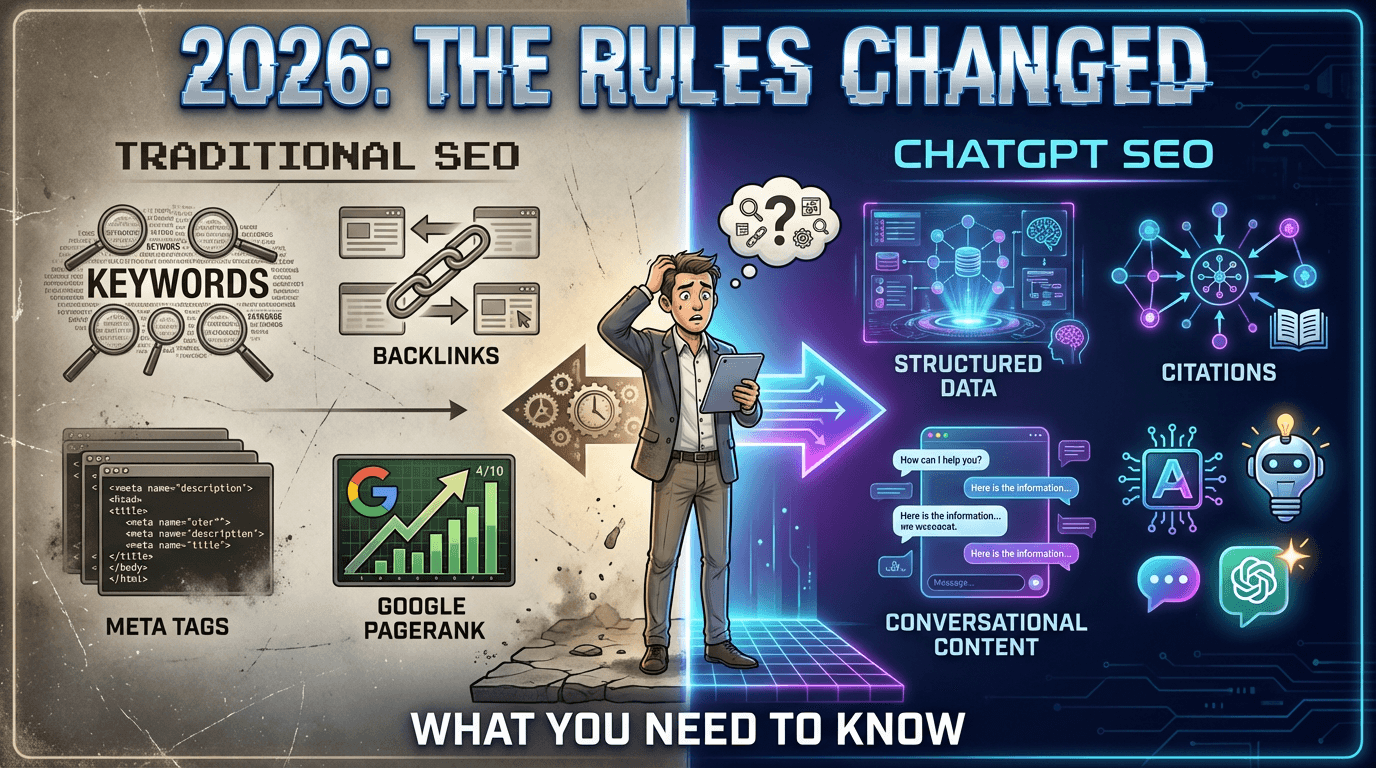
How to Measure AI Search Success: KPIs and Metrics for GEO
Learn how to track and measure your AI search optimization efforts. Discover the key metrics, KPIs, and tools for monitoring GEO performance and ROI.
Key Takeaways
- Core GEO metrics: GEO score, AI referral traffic, citation frequency, brand mention quality
- Establish baselines before optimization to measure progress
- Track monthly with GEO audits and weekly with analytics
- Allow 4-8 weeks for optimizations to impact AI systems
- Compare against competitors, not just absolute scores
The Measurement Challenge
Traditional SEO has clear metrics, rankings, organic traffic, conversions. AI search optimization is newer, and measurement is less standardized. But you can still track meaningful progress.
Core GEO Metrics
1. GEO Score (0-100)
Your overall AI visibility score, measuring technical accessibility, schema implementation, content structure, authority signals, and content quality.
How to track: Run regular GEO audits (monthly or quarterly) Goal: Improve score over time, benchmark against competitors2. AI Referral Traffic
Direct visits from AI platforms to your website.
How to track: In Google Analytics, check referral traffic from:- perplexity.ai
- chat.openai.com / ai.com
- copilot.microsoft.com
- claude.ai
3. AI Citation Frequency
How often AI systems mention or cite your website.
How to track: Manual testing, regularly query AI systems about your industry/products and note citations Goal: Appear in relevant AI responses, increase citation rate4. Brand Mention Quality
Accuracy and sentiment of AI mentions.
How to track: Ask AI about your brand, check accuracy of information provided Goal: Accurate, positive brand representation in AI responsesSecondary Metrics
Technical Health
- robots.txt AI crawler access (binary: allowed or blocked)
- Schema validation (errors vs. clean)
- Page speed scores
- Mobile usability
Content Metrics
- FAQ coverage (pages with FAQ schema)
- Content freshness (last update dates)
- Answer format adoption (Q&A structure)
Competitive Position
- AI citations vs. competitors
- GEO score vs. industry average (38/100)
- Share of AI recommendations
Setting Up Measurement
Step 1: Establish Baselines
Before optimization, document:
- Current GEO score
- Current AI referral traffic (may be zero)
- Current AI citation status (manual testing)
- Competitor AI visibility
Step 2: Set Targets
Realistic GEO targets:
| Timeline | GEO Score Target | Notes |
|---|---|---|
| 1 month | +10-15 points | Quick wins implemented |
| 3 months | +25-35 points | Core optimization complete |
| 6 months | +40-50 points | Comprehensive optimization |
Step 3: Create Tracking Schedule
Weekly:- Check AI referral traffic
- Note any significant changes
- Run GEO audit
- Manual AI citation testing
- Document progress
- Comprehensive competitive analysis
- Strategy review and adjustment
- ROI calculation
Calculating GEO ROI
Traffic Value Method
- Track AI-referred visits
- Apply average conversion rate
- Calculate customer value
- Compare to optimization investment
- 500 AI-referred visits/month
- 3% conversion rate = 15 customers
- $200 average customer value = $3,000/month revenue
- Free audit, so the ROI on knowing your gaps is immediate
Brand Visibility Value
Harder to quantify but valuable:
- Being recommended by AI builds trust
- Early AI visibility compounds over time
- Competitors who don't optimize lose ground
Tools for GEO Measurement
GEO Audit Tools
- Cited (our tool)
- Manual audits
Analytics
- Google Analytics 4 (referral traffic)
- Search Console (Bing and Google)
- Bing Webmaster Tools
Manual Testing
- ChatGPT, Claude, Perplexity queries
- Document citations and accuracy
Common Measurement Mistakes
Mistake 1: Expecting Immediate Results
AI visibility builds over time. Allow 4-8 weeks for optimizations to impact AI systems.
Mistake 2: Measuring Only Traffic
AI citations matter even without click-through. Brand mentions influence users even if they don't immediately visit.
Mistake 3: Ignoring Competitors
Your absolute score matters less than your position relative to competitors.
Mistake 4: One-Time Measurement
GEO is ongoing. AI systems change, competitors optimize, content ages. Continuous measurement is essential.
GEO Measurement Checklist
Setup:- [ ] Baseline GEO score documented
- [ ] Analytics tracking AI referral sources
- [ ] Competitor GEO scores benchmarked
- [ ] Manual testing process established
- [ ] Monthly GEO audits scheduled
- [ ] AI referral traffic reviewed weekly
- [ ] Manual citation testing monthly
- [ ] Quarterly strategy reviews planned
Start measuring your AI visibility with a free GEO audit.
Want to see your AI visibility score?
Get a free GEO audit and discover exactly what's holding your site back in AI search, in 90 seconds.
Start Free AuditFrequently Asked Questions
How long before I see results from GEO optimization?
Technical fixes (robots.txt, schema) can impact AI visibility within 1-2 weeks. Content optimization typically takes 4-8 weeks. Full impact is usually visible within 3 months. Be patient, AI systems don't update instantly.
Can I track AI traffic in Google Analytics?
Yes, partially. Check referral traffic from AI domains like perplexity.ai and copilot.microsoft.com. However, not all AI citations result in clicks, and some AI traffic may be categorized as direct or other sources.
What's a good GEO score to aim for?
The average website scores 38/100. A score above 60 is good, above 75 is excellent. However, relative position matters more, aim to score higher than your direct competitors.
How do I measure AI citations if they don't link to me?
Manual testing is currently the best method. Regularly query AI systems about your industry, products, and brand. Document whether you're mentioned, how accurately, and in what context. Some monitoring tools are emerging for this purpose.
Cited Team
AI Search Optimization Experts
The Cited team builds and runs a 120+ factor audit engine for AI search visibility. Our experts combine deep technical knowledge with practical experience helping businesses get found by ChatGPT, Claude, Perplexity, and other AI assistants.
Topics
Ready to Optimize Your Site for AI Search?
Get a free GEO audit and see your optimization score in 90 seconds.
Start Free Audit